 Talk to a Counsellor
IPM/BBA:
Talk to a Counsellor
IPM/BBA:  Support
Leaders Eat Last by Simon Sinek: Summary, Lessons, Quotes
Last Updated on 24 Jun 2026

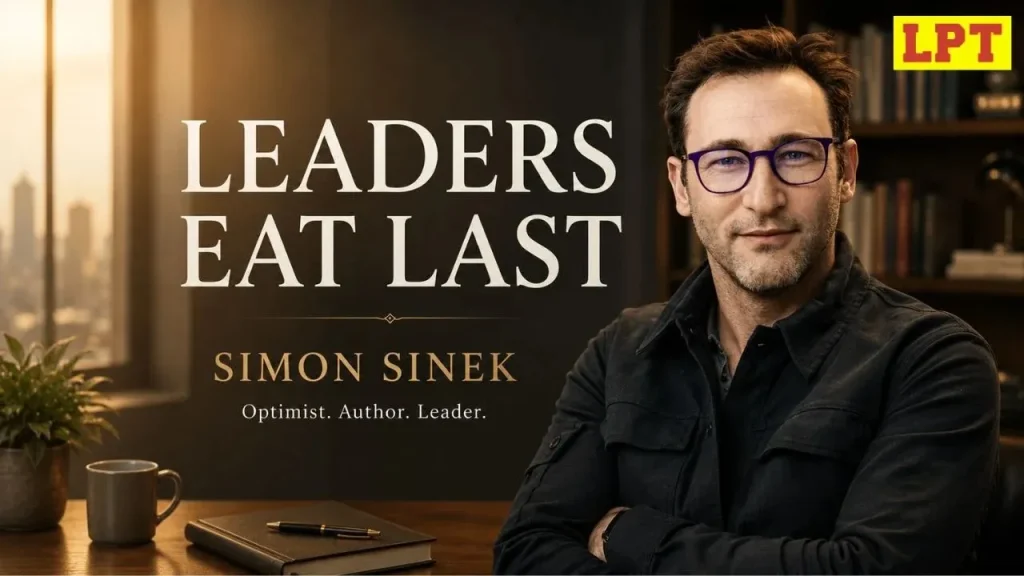
Leaders Eat Last by Simon Sinek is a leadership and self-development book that explains how great leaders build trust, protect teams, and create strong organizational cultures. Instead of focusing only on profits or authority, the book highlights leadership based on empathy, responsibility, teamwork, and long-term thinking.
Simon Sinek explains concepts like the “Circle of Safety,” emotional intelligence, workplace trust, and the psychological factors that influence human behavior inside organizations. The central idea of the Leaders Eat Last is that successful leaders prioritize the well-being of their teams before themselves, which creates loyalty, motivation, and sustainable success.
Major themes of Leaders Eat Last by Simon Sinek include leadership, teamwork, trust, empathy, communication, workplace culture, and responsibility.
Below, we have covered the summary of Leaders Eat Last book, short summary, chapter-wise summary, themes, central idea, important concepts, literary devices, famous quotes, moral message, and why students should read this powerful leadership book.
Table Of Contents
Leaders Eat Last by Simon Sinek: Key Highlights
These are the most important things to know about Simon Sinek’s Leaders Eat Last novel:
| Detail | Information |
|---|---|
| Book Name | Leaders Eat Last |
| Full Title | Leaders Eat Last: Why Some Teams Pull Together and Others Don’t |
| Author | Simon Sinek |
| Genre | Leadership / Self-Development |
| First Published | 2014 |
| Major Themes | Leadership, Trust, Teamwork, Empathy, Responsibility, Workplace Culture |
| Central Idea | Great leaders protect and support their teams, creating trust and long-term success |
| Main Focus | Leadership and organizational culture |
| Writing Style | Conversational, motivational, practical, and research-based |
| Famous For | The concept of “Leaders Eat Last” and the “Circle of Safety” |
| Recommended For | Students, managers, entrepreneurs, professionals, aspirants |
| Important Topics Covered | Teamwork, emotional intelligence, trust, motivation, stress, leadership |
| Key Lesson | Selfless leadership and trust create stronger teams and successful organizations |
Explore The Complete Summaries of Novels, Stories & Essay Notes
Leaders Eat Last Summary
This is the summary of Leaders Eat Last by Simon Sinek:
Beginning
Leaders Eat Last begins with Simon Sinek introducing the idea that true leadership is not about authority, power, or personal success alone. Instead, leadership is about responsibility, trust, and protecting the people within a team or organization. The title itself comes from a military tradition where leaders allow their team members to eat first, showing that good leaders prioritize the well-being of others before themselves.
Sinek explains how human beings naturally perform better in environments where they feel safe, respected, and valued. The beginning of the book mainly focuses on understanding leadership, workplace culture, teamwork, and the importance of creating trust within organizations.
Middle
The middle section of the Leaders Eat Last book explores the psychological and biological factors that influence leadership and human behavior. Sinek explains concepts like the “Circle of Safety,” where employees feel secure enough to work confidently, collaborate openly, and support each other without constant fear or stress.
The book discusses how hormones like dopamine, serotonin, oxytocin, and cortisol affect motivation, trust, happiness, stress, and decision-making. Through examples from businesses, the military, and real organizations, Sinek explains how selfish leadership focused only on profits often creates toxic workplace cultures, stress, insecurity, and low morale.
In contrast, organizations led by empathetic and responsible leaders develop stronger teamwork, loyalty, motivation, and long-term success. The middle part of the Leaders Eat Last strongly highlights emotional intelligence, communication, empathy, teamwork, and leadership through service rather than authority.
Ending
Towards the end of Leaders Eat Last, Sinek emphasizes that leadership is a long-term responsibility requiring sacrifice, trust-building, emotional understanding, and genuine care for people. He explains that strong organizations are built when leaders create environments where individuals feel safe, appreciated, and motivated to contribute fully.
The book also warns against short-term thinking, excessive competition, and workplace cultures driven only by pressure and numbers. Sinek concludes that successful leadership depends on protecting teams during difficult situations, maintaining trust, and building strong human connections.
Read Short Story Summaries
Read concise and student-friendly summaries of famous short stories along with themes, moral lessons, literary devices, and important questions:
| The Tell Tale Heart by Edgar Allan Poe | A Cup of Tea by Katherine Mansfield |
| The Night The Ghost In by James Thurber | Dr. Heideggers Experiment by Nathaniel Hawthorn |
Short Summary of Leaders Eat Last by Simon Sinek
Leaders Eat Last is a leadership and self-development book by Simon Sinek that explains how successful leaders build trust, protect teams, and create positive workplace cultures. The book introduces concepts like the “Circle of Safety,” emotional intelligence, teamwork, empathy, and responsible leadership.
Through examples from businesses, the military, and psychology, Sinek explains how people perform better in environments where they feel safe, respected, and valued. The book mainly teaches that strong leadership is based on service, trust, communication, and long-term responsibility rather than authority, fear, or short-term profits alone.
Download Leaders Eat Last Summary PDF
Get the complete summary PDF of Leaders Eat Last.
Download PDFMain Concepts and Personalities in Leaders Eat Last Book
Simon Sinek
Simon Sinek is the narrator and central voice of the book. He explains leadership principles using psychology, biology, business examples, and real-life case studies. Sinek symbolizes modern leadership thinking, empathy-driven management, emotional intelligence, and the importance of building trust-based organizational cultures.
Leaders and Managers
The book frequently discusses leaders and managers from businesses, the military, and organizations as practical examples of leadership behavior. These figures symbolize responsibility, authority, service, and the impact leaders have on workplace culture, motivation, trust, and employee well-being.
Teams and Employees
Employees and teams represent cooperation, trust, communication, and emotional security inside organizations. The book explains how people become more productive, creative, and loyal when they feel protected and valued by their leaders.
Military Leadership Culture
Military organizations are used as examples throughout the book to demonstrate leadership through sacrifice, discipline, teamwork, and trust. They symbolize the idea that leaders should prioritize the safety and well-being of their teams before personal comfort or recognition.
Leaders Eat Last by Simon Sinek: Themes
- Leadership and Responsibility: The book explains that leadership is about protecting, supporting, and guiding people rather than controlling them through authority alone.
- Trust and Teamwork: Strong teams are built when people trust each other and feel emotionally safe within their organizations.
- Empathy and Emotional Intelligence: The book highlights the importance of understanding emotions, building relationships, and leading people with empathy and care.
- Workplace Culture: Healthy workplace cultures improve motivation, loyalty, communication, productivity, and long-term organizational success.
- Selfless Leadership: The book promotes leadership based on service, sacrifice, and responsibility instead of selfish ambition or power.
- Human Behavior and Psychology: Psychological and biological factors influencing stress, trust, motivation, and decision-making are explored throughout the book.
- Long-Term Thinking: Sinek emphasizes that sustainable success comes from long-term trust-building and people-focused leadership rather than short-term profits.
- Communication and Cooperation: Clear communication and collaboration are presented as essential elements of strong leadership and organizational growth.
Leaders Eat Last by Simon Sinek: Central Idea
The central idea of Leaders Eat Last is that great leaders prioritize the well-being, safety, and trust of their teams before personal gain or short-term success. Through empathy, responsibility, communication, and emotional intelligence, leaders can build strong organizations where people feel motivated, secure, and connected, leading to sustainable growth and long-term success.
Explore the Best Novels for IPMAT Preparation
About the Author Simon Sinek
Simon Sinek is a well-known author, leadership expert, motivational speaker, and organizational consultant recognized globally for his work on leadership, teamwork, and purpose-driven success. He became highly popular through his TED Talk “Start With Why,” where he explained how successful leaders and organizations inspire people through purpose and vision.
His writing style is simple, practical, and motivational, making leadership concepts easy to understand for students and professionals. Sinek’s work mainly focuses on building healthy workplace cultures, improving communication, and developing responsible leadership. Through books, speeches, and workshops, he has influenced business leaders, entrepreneurs, students, and organizations worldwide to focus on long-term growth, teamwork, and human-centered leadership.
Leaders Eat Last: Literary Devices
These are the literary devices used in the Leaders Eat Last book by Simon Sinek:
| Literary Device | Usage in the Book |
|---|---|
| Anecdotes | Real-world stories from businesses and the military explain leadership principles practically and emotionally. |
| Analogies | Complex leadership and psychological concepts are simplified through relatable comparisons and examples. |
| Symbolism | The phrase “Leaders Eat Last” symbolizes selfless leadership, responsibility, and putting teams before oneself. |
| Case Studies | Organizational examples are used to demonstrate the impact of good and bad leadership cultures. |
| Reflective Tone | The book encourages readers to think deeply about leadership, teamwork, and workplace behavior. |
| Motivational Language | Inspiring and encouraging language motivates readers to become empathetic and responsible leaders. |
| Scientific Explanation | Psychology and biology are used to explain trust, stress, motivation, and human behavior in leadership. |
Famous Quotes from Leaders Eat Last
“Leadership is not about being in charge. Leadership is about taking care of those in your charge.”
“Customers will never love a company until the employees love it first.”
“A team is not a group of people who work together. A team is a group of people who trust each other.”
“The responsibility of leadership is not to come up with all the ideas but to create an environment in which great ideas can happen.”
“Working hard for something we don’t care about is called stress; working hard for something we love is called passion.”
“Great leaders sacrifice their own comfort for the good of others.”
“Trust and cooperation are feelings, not instructions.”
Moral Message of Leaders Eat Last
Leaders Eat Last teaches that strong leadership is based on empathy, trust, responsibility, and service towards others. The book highlights that when leaders genuinely care for their teams and create safe environments, people become more motivated, loyal, productive, and emotionally connected, leading to long-term success for both individuals and organizations.
Read More Such Summaries
Explore Other Exam Preparation Resources
Prepare smarter with our dedicated coaching programs, preparation guides, mock tests, and study resources for top competitive exams in India.
FAQs On Leaders Eat Last by Simon Sinek

Nidhi Priya
Nidhi Priya has over 6 years of experience in EdTech content and SEO. She specializes in content strategy, organic growth, and mentoring editorial teams, with previous experience at iQuanta, CollegeDekho, and Careers360.