 Talk to a Counsellor
IPM/BBA:
Talk to a Counsellor
IPM/BBA:  Support
Autobiography of a Yogi: Summary, Themes, Analysis, Quotes
Last Updated on 24 Jun 2026

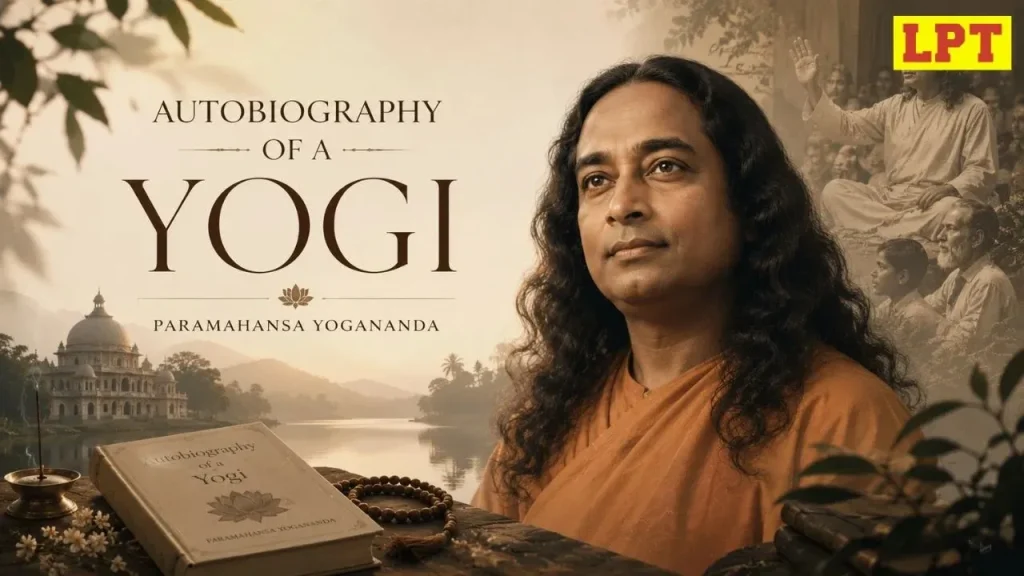
Autobiography of a Yogi by Paramahansa Yogananda is a spiritual autobiography that tells the journey of Yogananda from childhood curiosity towards spirituality to becoming one of the most influential yoga and meditation teachers in the world. The book mainly revolves around Paramahansa Yogananda, his guru Sri Yukteswar, spiritual masters like Lahiri Mahasaya and Mahavatar Babaji, and the lessons he learned through meditation, discipline, and self-discovery.
The central idea of the Autobiography of a Yogi is that inner peace, self-awareness, spiritual growth, and disciplined living help people understand themselves and live meaningful lives. Major themes include spirituality, meditation, self-control, faith, guru-disciple relationships, and the search for truth.
Below, we have covered the summary of the autobiography of a yogi, short summary, chapter-wise summary, themes, central idea, important characters, literary devices, famous quotes, moral message, and why students should read this timeless spiritual autobiography.
Table Of Contents
Autobiography of a Yogi: Key Highlights
These are the key highlights of Paramahansa Yogananda’s Autobiography of a Yogi:
| Detail | Information |
|---|---|
| Book Name | Autobiography of a Yogi |
| Author | Paramahansa Yogananda |
| Genre | Spiritual Autobiography |
| First Published | 1946 |
| Major Themes | Spirituality, Meditation, Self-Discipline, Inner Peace, Self-Realization |
| Central Idea | True peace and growth come through self-awareness, discipline, and spiritual understanding |
| Setting | India and the United States |
| Writing Style | Spiritual, reflective, philosophical, and inspirational |
| Famous For | Introducing yoga and meditation to global audiences |
| Important Topics Covered | Meditation, guru-disciple relationship, spiritual experiences, self-discovery |
Explore The Complete Summaries of Novels, Stories & Essay Notes
Autobiography of a Yogi Summary
Below is the summary of Autobiography of a Yogi:
Beginning
Autobiography of a Yogi begins with Paramahansa Yogananda describing his childhood in India and his deep spiritual curiosity from an early age. Unlike other children, Yogananda was strongly attracted towards saints, meditation, and spiritual experiences. He constantly searched for answers about life, self-realization, and the deeper meaning of existence.
His family background was disciplined and spiritual, which influenced his thinking positively. As he grew older, Yogananda became determined to find a true spiritual guru who could guide him properly. The beginning of the autobiography mainly focuses on his early spiritual experiences, emotional struggles, curiosity, and strong desire to understand spirituality beyond ordinary life.
Middle
The middle section of the autobiography focuses on Yogananda’s spiritual training under his guru, Sri Yukteswar. After finally meeting him, Yogananda began learning discipline, meditation, self-control, and spiritual understanding in a more structured way. The autobiography describes several encounters with saints, yogis, and spiritually advanced individuals who influenced his thinking deeply.
Yogananda explains different spiritual experiences, meditation practices, and lessons about inner peace, faith, and self-awareness. Later, he traveled to the United States to spread the teachings of yoga and meditation globally. Through lectures, teachings, and interactions with students, he introduced many people in the West to Indian spiritual traditions and Kriya Yoga.
Ending
Towards the end of the autobiography, Yogananda reflects on his spiritual journey, teachings, and life experiences with gratitude and wisdom. He emphasizes that true happiness and fulfillment do not come only from material success but from self-awareness, discipline, inner peace, and connection with the divine. The autobiography concludes with lessons about meditation, self-control, faith, simplicity, and spiritual growth.
Yogananda encourages readers to understand themselves deeply and maintain balance between external achievements and inner calmness. The ending leaves readers with the message that spirituality is not limited to religion alone but is connected with self-improvement, emotional balance, and purposeful living.
Short Summary of Autobiography of a Yogi
Autobiography of a Yogi is the spiritual autobiography of Paramahansa Yogananda that describes his journey towards self-realization, meditation, and spiritual understanding. The book covers his childhood spiritual experiences, search for a guru, training under Sri Yukteswar, meetings with saints and yogis, and his mission to spread yoga and meditation worldwide.
Through personal experiences and spiritual lessons, Yogananda explains the importance of discipline, inner peace, faith, and self-awareness. The autobiography mainly teaches readers that true happiness comes from balancing material life with spiritual growth, emotional control, and deeper understanding of oneself and life.
Download Autobiography of a Yogi Summary PDF
Get the complete summary PDF of Autobiography of a Yogi.
Download PDFAbout Paramahansa Yogananda
Paramahansa Yogananda was one of the most influential spiritual teachers from India who introduced yoga and meditation to the Western world. Born in 1893 in Gorakhpur, India, he showed deep spiritual interest from childhood and spent much of his life searching for spiritual wisdom and self-realization. He later became a disciple of Sri Yukteswar, who played a major role in shaping his spiritual journey and teachings.
Yogananda traveled to the United States in 1920 and taught yoga, meditation, and Kriya Yoga to thousands of people across the world. His teachings focused on inner peace, discipline, spirituality, and the connection between mind, body, and soul. Autobiography of a Yogi became one of the most respected spiritual books globally because of its inspiring lessons, simple storytelling, and deep philosophical insights into life, meditation, and self-discovery.
Main Characters in Autobiography of a Yogi
Paramahansa Yogananda
Paramahansa Yogananda is the central character and narrator of the autobiography. He is spiritually curious, disciplined, calm, and deeply devoted to self-realization. His journey from childhood curiosity to becoming a global spiritual teacher symbolizes self-discovery, spiritual growth, inner peace, and dedication towards truth and meditation.
Sri Yukteswar
Sri Yukteswar Giri was Yogananda’s guru and spiritual guide. He was wise, disciplined, strict, and spiritually advanced. Through his teachings, he shaped Yogananda’s understanding of meditation, discipline, and self-awareness. He symbolizes wisdom, guidance, self-control, and the importance of the guru-disciple relationship in spiritual learning.
Lahiri Mahasaya
Lahiri Mahasaya was one of the great spiritual masters discussed in the autobiography. He was respected for spreading Kriya Yoga among ordinary people while living a simple family life. He symbolizes spiritual balance, simplicity, humility, and the idea that spirituality can exist alongside everyday responsibilities.
Mahavatar Babaji
Mahavatar Babaji is presented as a highly advanced spiritual figure guiding humanity through wisdom and meditation. Though mysterious, his presence strongly influences the spiritual foundation of the autobiography. He symbolizes eternal wisdom, spiritual power, divine guidance, and higher consciousness.
Yogananda’s Family Members
Yogananda’s parents and siblings supported his spiritual interests and disciplined upbringing from childhood. Their emotional support and values influenced his personality positively. They symbolize family guidance, cultural traditions, discipline, and the role of supportive environments in personal and spiritual growth.
Read Short Story Summaries
Read concise and student-friendly summaries of famous short stories along with themes, moral lessons, literary devices, and important questions:
| A Cup of Tea by Katherine Mansfield | Upper Division Love by Manohar Malgonkar |
| The Night The Ghost In by James Thurber | Dr. Heideggers Experiment by Nathaniel Hawthorn |
Autobiography of a Yogi: Themes
- Spiritual Growth: The autobiography focuses heavily on personal spiritual development, meditation, and the search for deeper understanding beyond material success.
- Meditation and Inner Peace: Meditation is presented as a powerful practice for achieving calmness, self-awareness, emotional balance, and mental clarity.
- Self-Discipline and Self-Control: The book repeatedly emphasizes discipline, focus, simplicity, and control over thoughts and habits for meaningful personal growth.
- Guru-Disciple Relationship: The relationship between spiritual teacher and student is shown as important for guidance, learning, and spiritual progress.
- Search for Truth and Self-Realization: Yogananda constantly searches for truth, purpose, and understanding of life through spiritual experiences and meditation.
- Simplicity and Humility: The autobiography promotes simple living, humility, and detachment from unnecessary material desires and ego.
- Faith and Spiritual Awareness: Faith in oneself, spiritual practices, and higher consciousness plays a major role throughout Yogananda’s journey and teachings.
- Balance Between Material and Spiritual Life: The book teaches that people can achieve success while also maintaining inner peace, emotional stability, and spiritual awareness.
Central Idea of Autobiography of a Yogi
The central idea of Autobiography of a Yogi is that true happiness and fulfillment come through self-awareness, discipline, meditation, and spiritual growth rather than material success alone. Through his life journey, Paramahansa Yogananda explains the importance of balancing external achievements with inner peace, emotional control, and understanding of one’s true self.
Autobiography of a Yogi: Literary Devices
These are the literary devices used in the Autobiography of a Yogi by Paramahansa Yogananda:
| Literary Device | Usage in the Autobiography |
|---|---|
| First-Person Narration | Yogananda narrates his own spiritual journey directly, making the autobiography personal and reflective. |
| Symbolism | Meditation, light, spiritual masters, and journeys symbolize inner growth and self-realization throughout the book. |
| Imagery | Descriptions of spiritual experiences, places, and meditation practices create strong mental visuals for readers. |
| Anecdotes | Real-life stories and encounters with saints are used to explain spiritual lessons and life values. |
| Reflective Tone | Yogananda frequently reflects on life, spirituality, discipline, and personal experiences thoughtfully. |
| Spiritual Metaphors | Spiritual ideas are often explained through symbolic and philosophical comparisons for deeper understanding. |
| Realism with Spiritual Elements | The autobiography combines realistic life experiences with spiritual teachings and mystical experiences naturally. |
Explore the Best Novels for IPMAT Preparation
Why Should You Read Autobiography of a Yogi?
- Helps Develop Inner Peace: The autobiography teaches meditation, emotional balance, and self-awareness, helping readers manage stress and mental pressure better.
- Inspires Discipline and Self-Control: Yogananda’s life shows how discipline, focus, and controlled habits contribute to personal and spiritual growth.
- Improves Emotional and Mental Clarity: The book encourages self-reflection, calm thinking, patience, and understanding of emotions and life situations deeply.
- Introduces Spiritual Wisdom Simply: Complex spiritual ideas are explained through simple storytelling, making the book accessible even for beginners and students.
- Helpful for Personality Development: The autobiography improves focus, communication, maturity, confidence, and balanced thinking useful for students and aspirants.
Read Essay Summaries
Explore student-summaries of famous essays with detailed themes, moral lessons, literary devices, analysis, and important exam-focused questions.
| El Dorado by RL Stevenson | The Convalescent by Charles Lamb |
| The Golden Age by AG Gardiner | Tight Corners By EV Lucas |
Famous Quotes from Autobiography of a Yogi
“Live quietly in the moment and see the beauty of all before you.”
“The season of failure is the best time for sowing the seeds of success.”
“Be as simple as you can be; you will be astonished to see how uncomplicated and happy your life can become.”
“Environment is stronger than willpower.”
“Kindness is the light that dissolves all walls between souls, families, and nations.”
“Change yourself and you have done your part in changing the world.”
“The happiness of one’s own heart alone cannot satisfy the soul.”
“Ordinary love is selfish, darkly rooted in desires and satisfactions.”
“The body is literally manufactured and sustained by mind.”
“The soul loves to meditate, for in contact with the Spirit lies its greatest joy.”
Moral Message of Autobiography of a Yogi
Autobiography of a Yogi teaches that true peace, happiness, and self-growth come through discipline, meditation, self-awareness, and emotional balance. The autobiography encourages readers to understand themselves deeply, maintain simplicity in life, and balance material success with spiritual and inner development.
Explore Our Other Summaries:
Explore Other Exam Preparation Resources
Prepare smarter with our dedicated coaching programs, preparation guides, mock tests, and study resources for top competitive exams in India.
FAQs On Autobiography of a Yogi by Paramahansa Yogananda

Nidhi Priya
Nidhi Priya has over 6 years of experience in EdTech content and SEO. She specializes in content strategy, organic growth, and mentoring editorial teams, with previous experience at iQuanta, CollegeDekho, and Careers360.